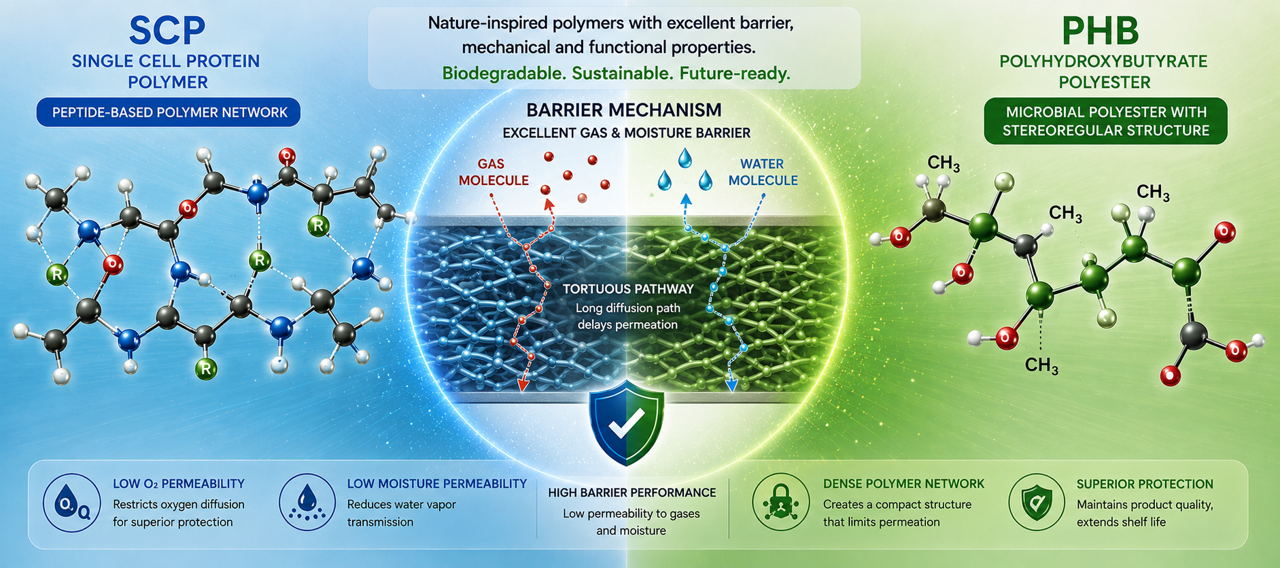
The downstream process (extraction and recovery of PHB) from the bacterial cells is one of the bottlenecks for up-scale production. Part of the reason is the high energy consumption produced during the process, increasing the carbon footprint despite being biodegradable. Moreover, the extraction of PHB typically involves separating the desired polymer from the other cellular components of the bacteria including cell walls, proteins and nucleic acids. In general, cell wall residues and cellular proteins are often the most abundant residual microbial components. In response to these challenges, our proposed solution involves the direct utilization of single cell protein enriched with PHB, in conjunction with biodegradable polymers or polyolefins. This initiative is a vital component of our ongoing research within the EcoPlastiC project. This approach is aimed at fostering circularity and biodegradability within the prototype development, establishing a more sustainable and environmentally conscious pathway in the production of eco-friendly plastics. These new plastic products are targeted to be used in plastic packaging.