
SUSHI-PACK

The packaging industry remains heavily dependent on fossil-based plastics, materials that are non-renewable, non-biodegradable, and a major contributor to global waste. SUSHI-PACK offers a transformative alternative by harnessing renewable, bio-based resources to create safe, sustainable packaging solutions.
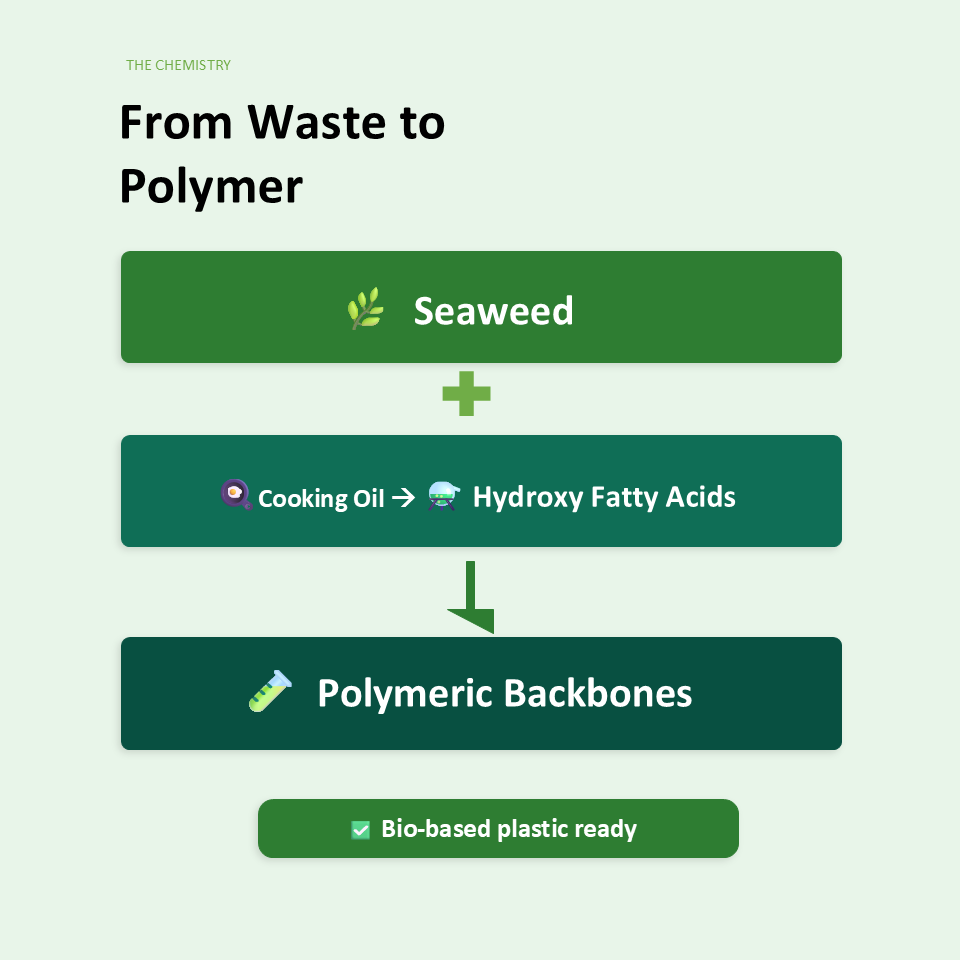
At its core, SUSHI-PACK combines sustainably sourced seaweed polysaccharides, such as alginate and agar with regenerated used
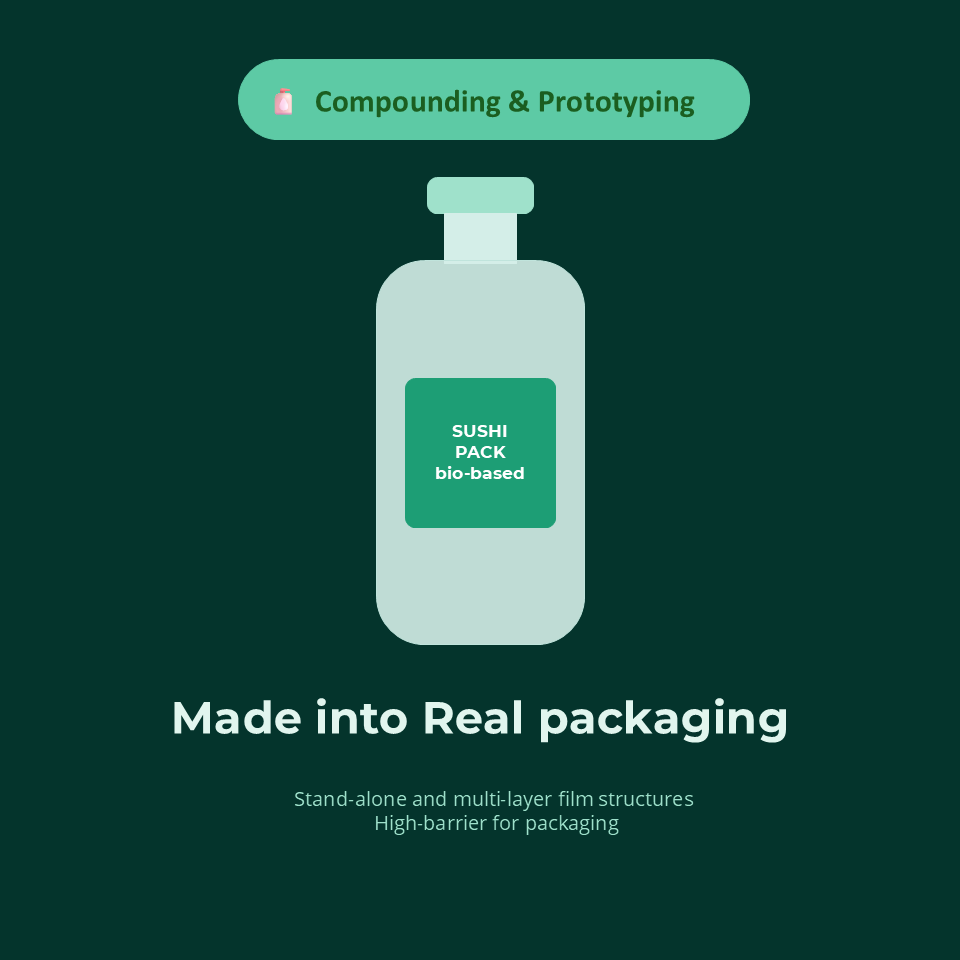
cooking oils (RUCO), turning waste into value. By leveraging advanced metabolic engineering and biocatalysis, the project efficiently produces hydroxy fatty acids, which are then converted into high-performance, biodegradable polymers and multi-layer packaging materials.
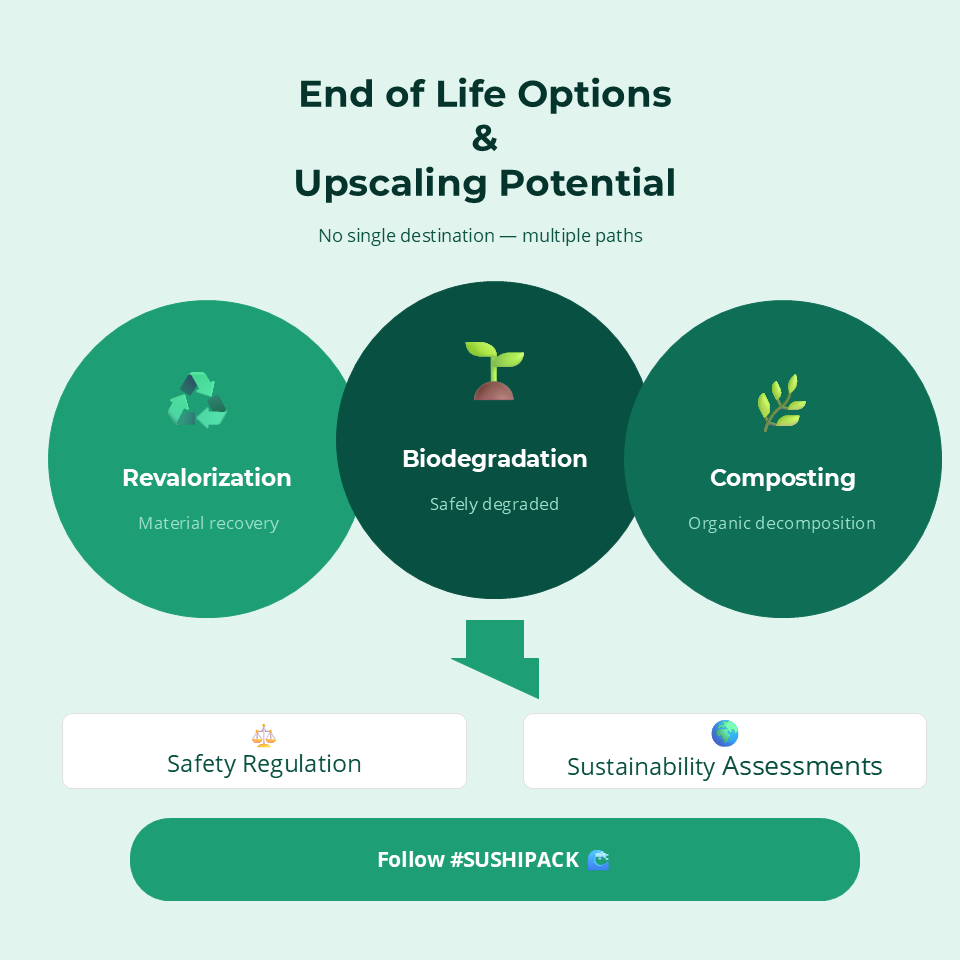
Designed with sustainability at every stage, SUSHI-PACK integrates Safe-and-Sustainable-by-Design (SSbD) principles, life cycle assessment (LCA), and regulatory compliance to ensure environmental, economic, and social viability. Its materials are engineered for multiple end-of-life options, including composting, biodegradation, and enzymatic recycling, closing the loop by enabling revalorization into new industrial polymers.
The result: A scalable, circular packaging solution that reduces greenhouse gas emissions by at least 15% while unlocking a projected €58 million market opportunity. SUSHI-PACK is not just replacing plastic. It is redefining it for a sustainable future.
CPS Projects
Explore CPS’s transformative projects, where innovation meets sustainability. Explore our dynamic initiatives spanning groundbreaking research, engaging education, and strategic partnerships. Witness our commitment to revolutionizing the plastics industry through innovative technologies and collaborative efforts. Together, we’re shaping a more sustainable future for polymers and beyond.
Contact Us
Athlone Campus,
Bunnavally,
Athlone,
Co. Westmeath,
N37 HD68
Email: Margaret.BrennanFournet@tus.ie